Understanding the health risks associated with obesity can help patients make informed decisions about treatment and long-term wellbeing.
Obesity significantly increases the risk of developing chronic, life-threatening diseases. Research shows that obesity contributes to deaths from heart disease, diabetes, and various cancers. In fact, global medical bodies warn that if current trends continue, obesity may surpass smoking as the leading cause of preventable death.
Your chance of premature death doubles once your Body Mass Index (BMI) reaches 35, and the risk continues to climb as BMI increases. These statistics highlight the serious medical consequences of untreated obesity and the importance of early intervention.
Excess weight places strain on nearly every system in the body. Obesity either causes or worsens a wide range of health conditions, including high blood pressure, type 2 diabetes, heart disease, sleep apnoea, arthritis, high cholesterol, and gallstones. It also increases the likelihood of many types of cancer, including breast, uterine, ovarian, colon, gallbladder, and prostate cancers.
Women may experience menstrual irregularities, infertility, and conditions such as hirsutism. Obesity can also contribute to acid reflux, asthma, liver concerns, venous ulcers, skin infections, and chronic pain. The cumulative effect of these health issues can drastically reduce mobility, energy, and overall health.

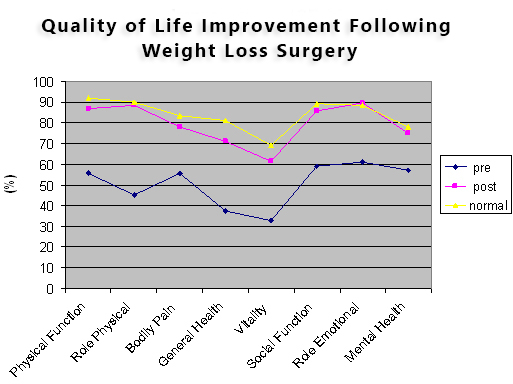
Beyond physical health, obesity can have profound effects on emotional wellbeing and social life. Many individuals experience low self-esteem, poor self-image, depression, and social isolation. Discrimination—both subtle and overt—can occur at work, home, and in social environments, placing added stress on daily life.
Physical limitations are also common. Activities such as climbing stairs, shopping for clothes, travelling, personal hygiene, or simply moving around can become difficult due to breathlessness, fatigue, or joint pain. Together, these factors can significantly reduce overall quality of life, creating a cycle that makes weight loss even more challenging without proper support.